
Services
Real Relationships. Real Time.
Real Results.
Experience the stabilizing force of a chaplain when employee distractions are minimized, stress is relieved, and potential obstacles are removed – each directly impacting a company’s bottom line.
Experience the stabilizing force of a chaplain when employee distractions are minimized, stress is relieved, and potential obstacles are removed – each directly impacting a company’s bottom line.
Chaplains bring a sense of peace, understanding, and support to the often-challenging environments of assisted living, nursing homes, and rehabilitation centers.
They serve three key groups: residents, families, and staff. Also, their roles vary depending on the needs of each.
LHM Services Include
For Staff
Emotional Support:
Counseling for burnout, grief, family and workplace issues.
Crisis Management:
During emergencies, loss of residents, or other workplace stressors.
Wellness Workshops:
On compassion fatigue, mindfulness, and self-care practices.
Spiritual Encouragement:
A steady, non-judgmental presence for staff, regardless of their faith.
For Resident
Individual Pastoral Counseling:
One-on-one sessions for residents to address emotional, spiritual, and mental well-being.
End-of-Life Support:
Spiritual care and guidance to residents and their families during transitions and difficult times.
Life Enrichment Activities:
Engaging residents with uplifting activities, such as Bible studies or prayer circles.
Rounding
Engage with Residents:
Check in on their emotional and spiritual needs, even those who may not request formal counseling.
Support Staff Members: Proactively listen and address their concerns to promote well-being.
Foster Relationships:
Build trust and rapport with residents, families, and staff, ensuring no one feels forgotten or overlooked.
The Value of Rounding
A consistent and visible spiritual presence in the facility.
It allows the chaplain to:
Identify emerging needs before they become crises.
Build stronger relationships with residents and staff.
Foster a caring and compassionate environment.
Provide comfort and reassurance on a daily basis.
Memorial Services & Remembrance
Leading memorials, moments of silence, or services for employees or residents who have passed away.
Creating space for grief and collective healing in the workplace.
Memorial Services & Remembrance
Leading memorials, moments of silence, or services for employees or residents who have passed away.
Creating space for grief and collective healing in the workplace.
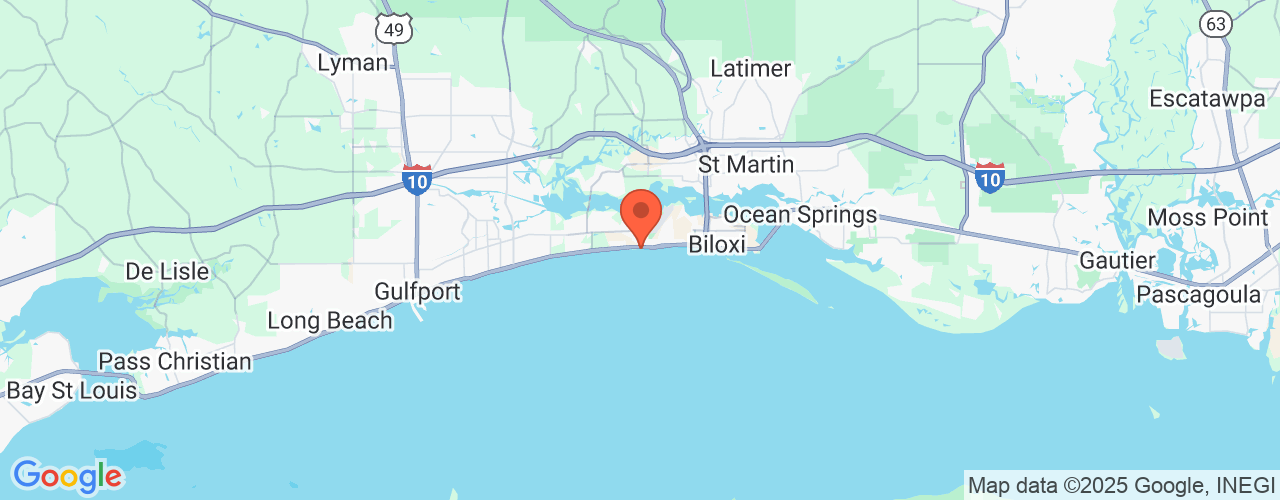
LHM Service Area

FOLLOW US


COMPANY
CUSTOMER CARE
LEGAL
Copyright 2026. Trybl Marketing, LLC. All Rights Reserved.
hOW cHAPLAINS sERVE yOUR nEEDS
Chaplains fulfill a vital role in supporting residents, families, and staff. Their ability to nurture the emotional and spiritual well-being of caregivers is essential in environments that often demand immense compassion and resilience.

Hospital/Hospice
Chaplains in the medical field visit those in medical facilities such as…

Coporate
A Corporate Chaplain is a spiritual and emotional caregiver who…

Police & Fire
Fire and Police Chaplains carry a great responsibility to...

Disaster Relief
Disaster Relief Chaplains provide caring ministry on the field of …

HOSPITAL / HOSPICE
Chaplains serving in the medical field visit people in hospitals, nursing homes, assisted living and private homes as well as hospice and rehab centers.
Chaplains attend and serve on teams with medical facility staff, physicians, nurses, psychologists, sociologists who look after sick patient.
They listen to patients, pray for the sick and minister spiritual care to individuals and families by providing answers to religious questions and words of encouragement, peace, and comfort.
INDUSTRIAL / CORPORATE
A Corporate Chaplain is a spiritual and emotional caregiver with influence for people in the business/industrial workplace.
Some businesses employ chaplains to provide services for their staff such as employee assistance, counseling, wellness seminars, conflict management, mediation, and leadership development.
Their service often reaches into the home to deal with death, crippling losses, domestic conflict and parenting issues.


POLICE / FIRE
Police and Fire department chaplains carry a great responsibility not only to the agencies in which they serve but also to the community in which they live.
The Chaplain’s primary service is to be present and offer support to officers, firefighters, administrators, and support staff within the agencies they serve.
They may ‘ride along’ with the officer or firefighter to the scene of emergency when needed to serve the victims and their families, make death notifications, and provide support in time of trauma.
They are often a vital part of the rehabilitative process.
DISASTER RELIEF
Disaster Relief Chaplains deploy to sites of destruction to provide care to victims of natural and man-made disasters.
They offer support to communities and families in areas of potential disasters.
They often work with national and international disaster relief agencies such as FEMA, Red Cross and Compassion Service International to coordinate spiritual care responses.
They help integrate spiritual responses with other kinds of help provided by emergency care agencies, mental health providers, and social care agents.

If you need more info — Click below to Speak to a Representative.